The growth of Pentecostal churches in Punjab over the past several decades reflects broader shifts within the religious and social landscape of the region. While Christianity has had a presence in Punjab for many generations, the expansion of Pentecostal congregations in particular has become more noticeable since the late twentieth century. This development has involved a combination of organized worship practices, local leadership, infrastructure expansion, and increased public visibility.
Pentecostal Christianity emphasizes structured prayer meetings, scripture-centered sermons, devotional singing, and collective worship. In Punjab, small Pentecostal gatherings began forming in rural districts during the 1980s and early 1990s. These early congregations often met in modest prayer halls or private homes. Attendance at such meetings was initially limited, but consistent scheduling and organized worship gradually encouraged stable participation.
During the 1990s, the formation of local church committees and administrative structures contributed to more coordinated congregational growth. Organized leadership helped manage prayer schedules, infrastructure needs, and community outreach. This structural organization became an important factor in sustaining long-term expansion.
One of the key characteristics of Pentecostal churches in Punjab has been the emphasis on regular prayer gatherings. Weekly services, often held on Sundays and midweek days such as Thursdays, provide predictable opportunities for worship and reflection. The structured nature of these meetings contributes to congregational continuity and helps maintain regular attendance.
The expansion of Pentecostal churches in Punjab has largely been shaped by organized worship practices, structured leadership, and community participation.
The late 1990s and early 2000s marked a period of increased visibility for Pentecostal congregations in districts such as Kapurthala, Jalandhar, Amritsar, and Ludhiana. Improved transportation networks allowed participants from neighboring villages to attend centralized prayer meetings. As a result, certain churches began serving broader regional communities rather than exclusively local congregations.
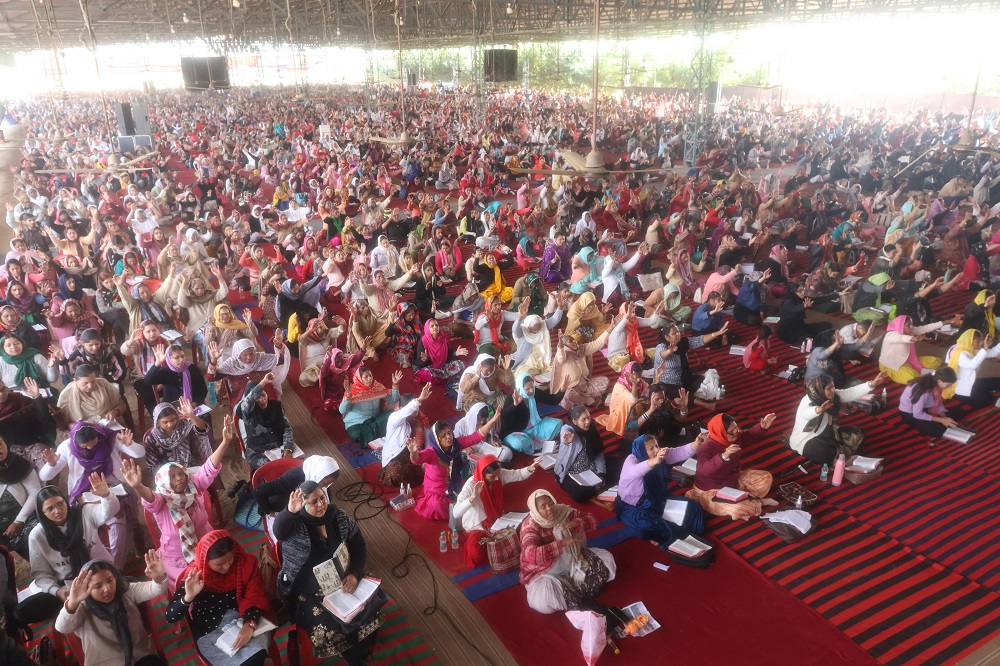
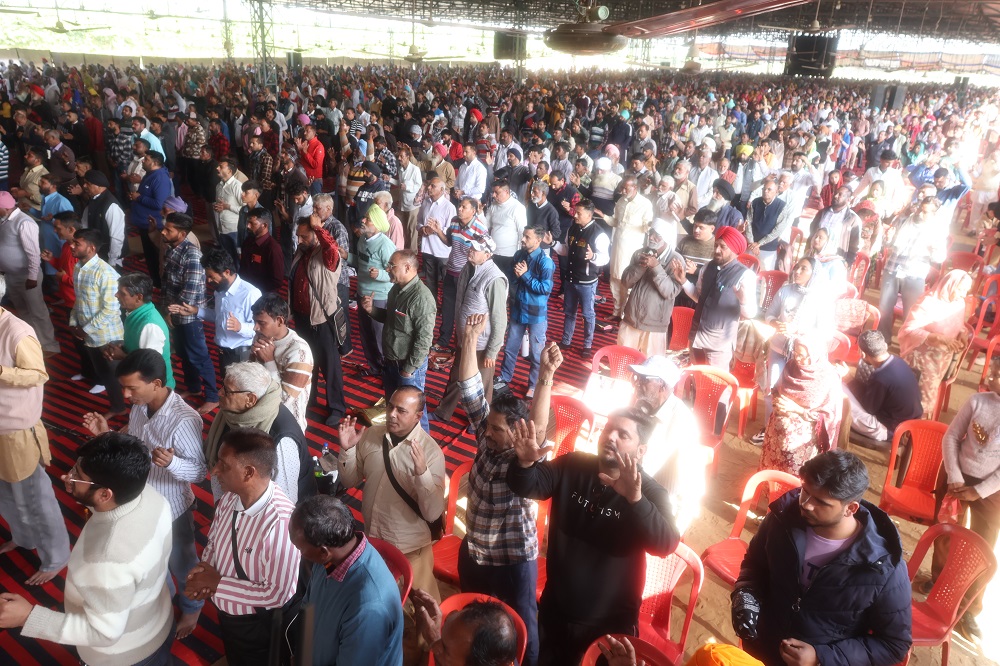
Infrastructure development has also played a significant role in the growth process. Initially, many prayer meetings were conducted in small buildings with limited seating capacity. As attendance grew, churches undertook expansion projects, constructing larger halls equipped with improved seating arrangements and sound systems. These developments facilitated more organized gatherings and accommodated larger congregations.
Another contributing factor has been the involvement of local leadership. Pentecostal churches in Punjab often emphasize pastoral guidance combined with community participation. Pastors, assistant ministers, and volunteer coordinators share responsibilities in organizing services and managing administrative tasks. This distributed leadership model helps maintain operational consistency.
The rise of digital communication has further influenced the visibility of Pentecostal congregations. In the past decade, many churches have begun livestreaming services through platforms such as YouTube and Facebook. This has allowed Punjabi-speaking audiences within India and abroad to observe or participate virtually in organized worship sessions. Digital outreach has expanded the reach of local congregations beyond geographic boundaries.
Migration patterns have also played a role in shaping religious networks. Punjabi communities residing in Canada, the United Kingdom, and other countries often maintain connections with churches in Punjab. Visiting pastors, international gatherings, and cross-regional collaborations have contributed to ongoing interaction between local and diaspora congregations.
Social and economic changes in rural Punjab have coincided with these religious developments. As villages experienced improvements in infrastructure and communication, religious institutions also adapted to evolving social contexts. Churches began organizing structured programs such as youth meetings, women’s prayer groups, and seasonal special services.
Observers note that the growth of Pentecostal churches does not occur uniformly across all districts. Variations in population density, migration trends, and local leadership influence the scale of expansion. Some congregations remain small and community-focused, while others have developed into larger assemblies with extended regional influence.
It is important to recognize that Punjab’s religious landscape remains diverse. Sikhism, Hinduism, Islam, and Christianity all maintain longstanding presences within the state. The expansion of Pentecostal congregations represents one aspect of this pluralistic environment rather than a replacement of other traditions.
In many cases, Pentecostal churches emphasize structured administration through committees and organized management bodies. These committees often oversee financial planning, property management, and scheduling of services. Administrative clarity contributes to institutional stability and long-term sustainability.
Community outreach initiatives have also accompanied congregational growth. Churches frequently organize special prayer events, public gatherings, and seasonal religious programs. These events increase public visibility and provide opportunities for coordinated worship.
The role of education and ordination has been another factor influencing expansion. Some church leaders have pursued theological training or received formal certificates from religious institutions. Such credentials may enhance organizational credibility and leadership confidence.
From a sociological perspective, the growth of Pentecostal churches in Punjab reflects patterns seen in other regions where structured worship practices and organized leadership contribute to sustained expansion. The emphasis on regular gatherings and coordinated administration creates predictable frameworks for participation.
Digital media continues to influence this trajectory. Recorded sermons, online prayer broadcasts, and social media engagement have allowed churches to communicate with wider audiences. Younger generations in particular may encounter religious content through digital platforms before attending in-person gatherings.
Despite these developments, in-person community prayer meetings remain central to Pentecostal practice in Punjab. Collective worship, devotional singing, and organized prayer sessions form the core of congregational identity. The physical gathering space continues to function as an important community anchor.
Looking forward, the growth of Pentecostal churches in Punjab is likely to be shaped by ongoing demographic changes, digital engagement, and institutional organization. Infrastructure improvements and leadership development may further influence future expansion.
In conclusion, the growth of Pentecostal churches in Punjab represents a combination of structured worship, organizational leadership, infrastructure development, and digital outreach. While the scale and visibility of congregations vary across districts, their continued presence reflects broader patterns of institutional religious development within the region’s diverse social landscape.