Community prayer gatherings have become an important and visible component of organized Christian religious life in various districts of Punjab. Over the past several decades, such gatherings have evolved from small, informal meetings into structured assemblies that attract participants from both rural and semi-urban areas. These gatherings typically provide a coordinated environment for worship, reflection, and collective prayer, and they play a central role in strengthening congregational identity.
Historically, prayer meetings in Punjab were often conducted within private homes or modest halls, particularly during periods when Christian congregations in rural regions were relatively limited in size. As participation increased and organizational structures developed, churches began to schedule regular weekly gatherings, often on Sundays and midweek days such as Thursdays. These structured meetings gradually became a defining feature of local congregational life.
A typical community prayer gathering generally includes several organized components. These may begin with devotional songs or hymns, followed by scripture readings and structured prayer sessions. Pastoral messages or short sermons are often included, offering interpretations of biblical passages and guidance for daily life. The sequence and organization of these elements create a predictable and coordinated environment for attendees.
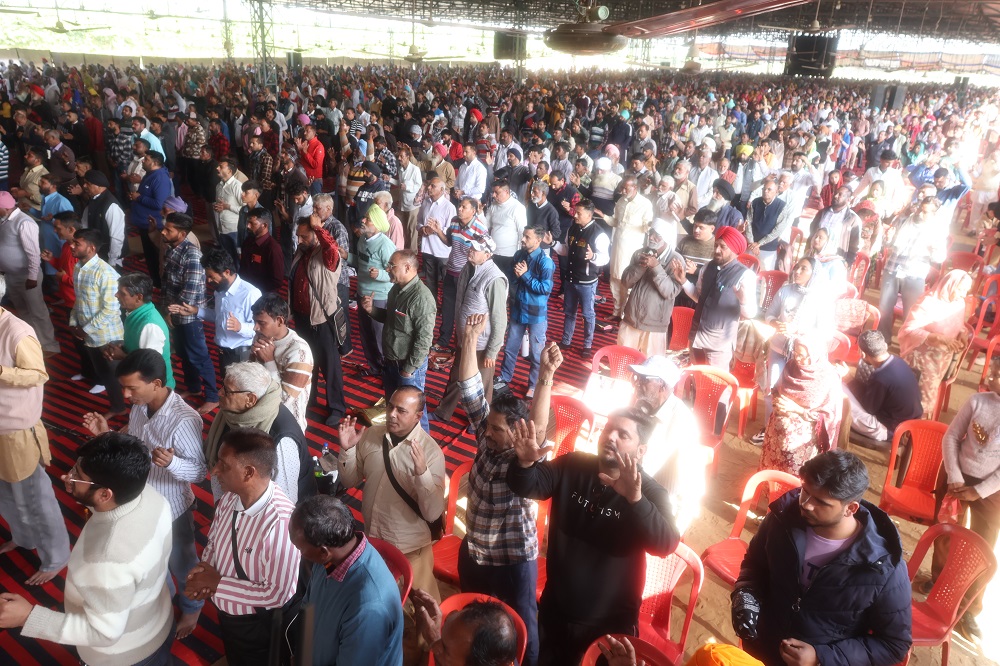
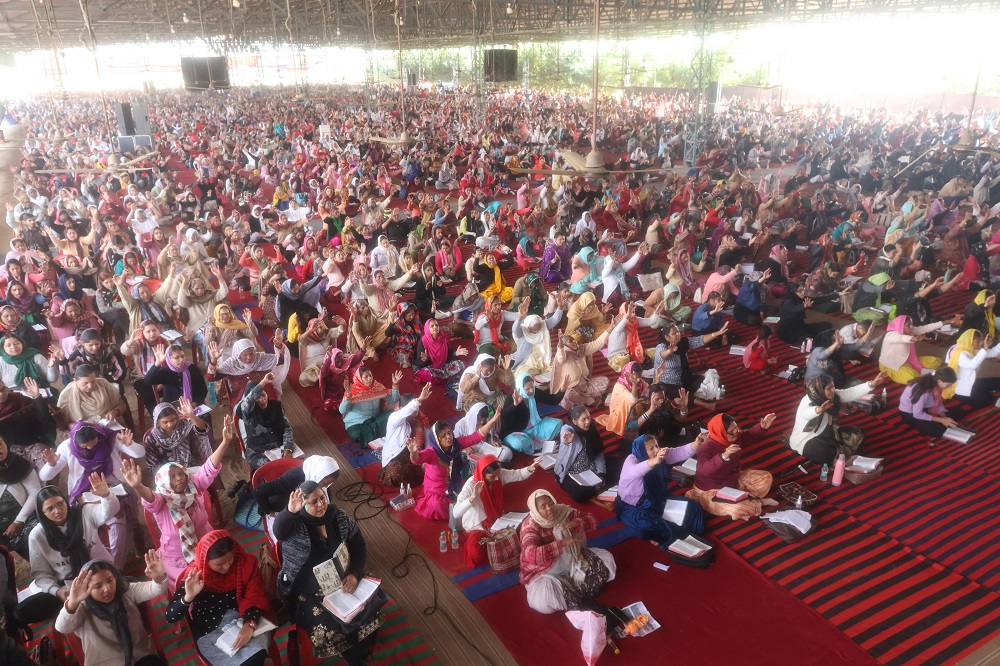
Community prayer gatherings provide a structured setting for collective reflection, organized worship, and shared spiritual participation.
One of the defining characteristics of these gatherings is collective participation. Unlike purely individual devotional practices, community prayer meetings emphasize group involvement. Participants often pray together, sing together, and respond collectively to readings or sermons. This shared experience fosters a sense of unity and coordinated engagement among attendees.
In rural districts of Punjab, community prayer gatherings have also served as important social meeting points. In many villages, church buildings function not only as places of worship but also as spaces where individuals gather to discuss community matters, exchange updates, and maintain interpersonal relationships. The structured nature of prayer meetings ensures that these social interactions remain organized within a religious framework.
Over time, improvements in church infrastructure have influenced the scale and format of such gatherings. As congregations grew, prayer halls were expanded to accommodate larger numbers of attendees. In some areas, dedicated sound systems, seating arrangements, and improved lighting have enhanced the organization of worship services. These developments reflect the gradual institutional growth of local congregations.
The growth of digital media has also affected community prayer gatherings. In recent years, many churches have begun livestreaming services through platforms such as YouTube and Facebook. This has allowed participants who are unable to attend in person to remain connected to scheduled prayer meetings. Digital broadcasting has also enabled Punjabi-speaking communities outside India to observe or participate virtually in organized worship sessions.
Despite technological changes, the core structure of community prayer gatherings remains centered on organized collective worship. Regular scheduling, clearly defined leadership roles, and structured sequences of activities help maintain consistency. This predictability often contributes to sustained attendance and long-term congregational stability.
Another important aspect of these gatherings is the emphasis on collective intercession. Participants frequently engage in coordinated prayer for various concerns, including community well-being, health, family matters, and broader societal issues. While the specific themes may vary depending on context, the organized format of prayer remains consistent across gatherings.
In semi-urban districts, community prayer meetings sometimes attract participants from neighboring villages or towns. Improved transportation and communication networks have made it easier for individuals to travel to scheduled services. As a result, some gatherings have expanded beyond local parish boundaries and now serve broader regional congregations.
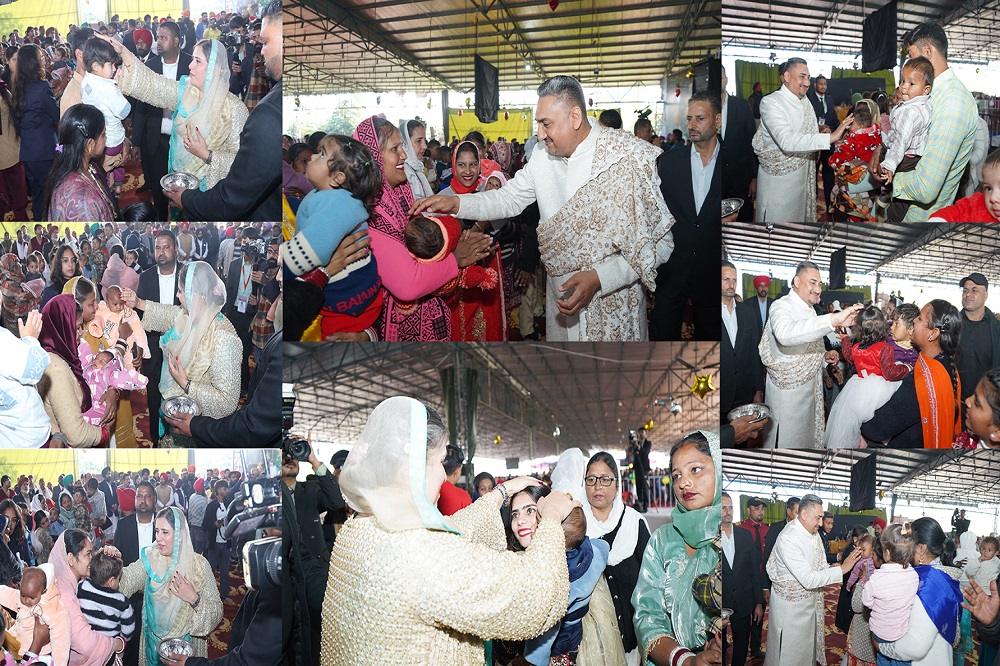
Leadership within these gatherings typically follows defined roles. Pastors or designated church leaders guide the sequence of worship, coordinate scripture readings, and deliver sermons or reflections. Volunteers may assist with music, audio systems, and seating arrangements. This division of responsibilities ensures that meetings proceed in an orderly and organized manner.
Observers of religious developments in Punjab have noted that community prayer gatherings reflect broader institutional trends within Pentecostal and other Christian traditions. The emphasis on organized worship, regular scheduling, and community participation aligns with structured church administration models that have developed over recent decades.
At the same time, the atmosphere within these gatherings is often described as participatory and interactive. Attendees may respond collectively during prayer segments or engage in coordinated singing. Such interactions contribute to a shared experience that reinforces group identity while maintaining an organized framework.