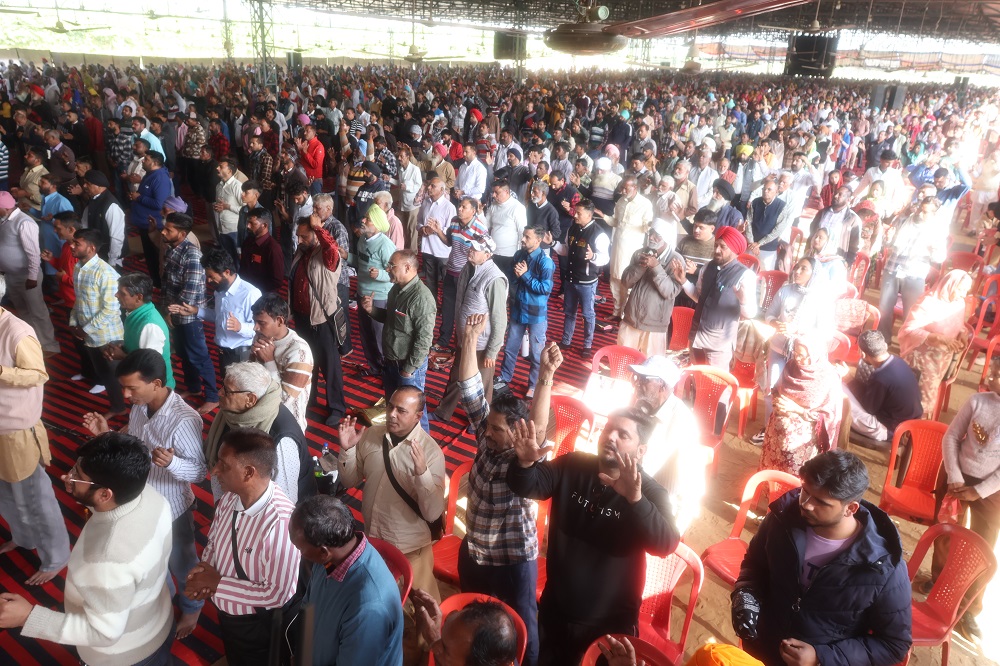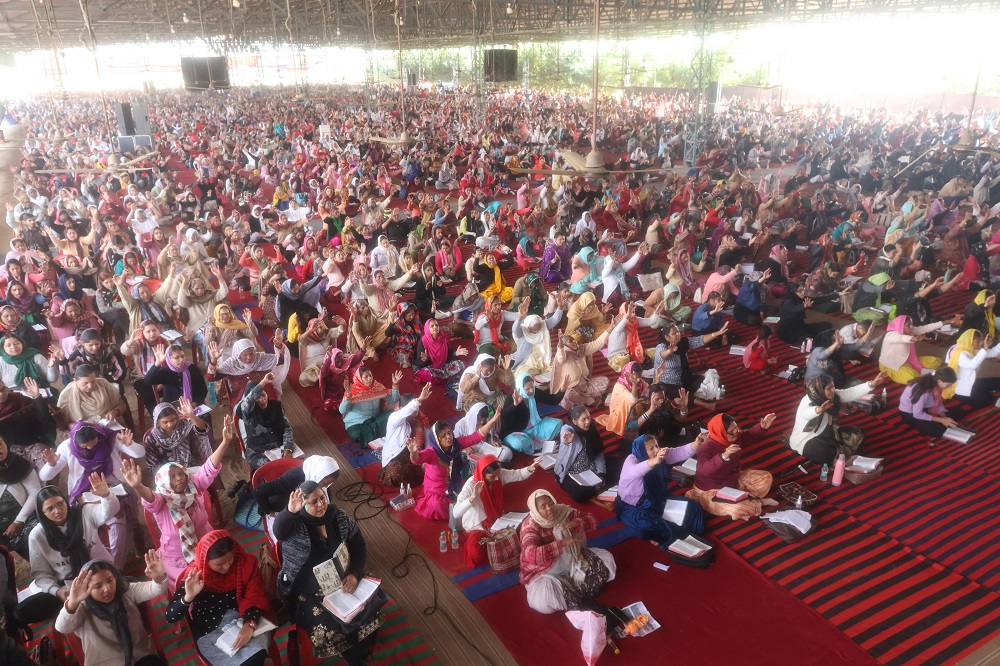
Faith and leadership have long been interconnected within organized religious communities. In Punjab’s Christian landscape, particularly within Pentecostal congregations, leadership roles have developed alongside structured worship practices and expanding institutional frameworks. The evolution of church leadership reflects both spiritual guidance responsibilities and administrative coordination within local congregations.
Leadership in faith-based organizations traditionally combines pastoral care, scriptural teaching, and community organization. In many congregations across Punjab, pastors and church leaders serve as coordinators of worship services, facilitators of prayer meetings, and administrators of institutional affairs. Their role extends beyond sermon delivery to include managing operational and structural aspects of church life.
During the early formation of Pentecostal congregations in rural districts, leadership structures were often informal. Small prayer groups met under the guidance of a central pastor or elder. As congregations expanded in size and complexity, more defined organizational systems were introduced. Committees were formed, roles were delegated, and administrative frameworks were formalized.
This gradual institutionalization of leadership contributed to organizational stability. Clear responsibilities for financial management, property maintenance, event scheduling, and communication allowed churches to operate in a structured and predictable manner.
Faith-based leadership combines spiritual guidance with structured organizational management, creating continuity within congregational life.
In many churches, leadership involves balancing spiritual instruction with community engagement. Pastors are often responsible for interpreting scripture, guiding prayer meetings, and offering counsel to individuals and families. At the same time, they coordinate volunteers, oversee church infrastructure, and ensure compliance with regulatory requirements.
The development of formal theological education has influenced leadership models in recent decades. Some church leaders pursue training through religious institutions, receiving certificates or degrees in theology or ministry. Such educational backgrounds may enhance confidence in sermon preparation and administrative decision-making.
Leadership in faith communities also emphasizes ethical conduct and accountability. Churches frequently establish governing committees or boards that review decisions and provide institutional oversight. This collective structure distributes responsibility and reduces reliance on a single authority figure.
Youth involvement has become an increasingly important dimension of leadership development. Many congregations organize youth prayer meetings, leadership workshops, and volunteer programs. These initiatives aim to prepare younger members for future responsibilities within the church framework.
Digital communication has further reshaped leadership roles. Pastors and church administrators now engage audiences through livestreamed services, social media updates, and online announcements. Effective leadership increasingly requires familiarity with digital tools and communication platforms.
In rural areas of Punjab, church leaders often function as community mediators. Beyond religious instruction, they may facilitate dialogue among community members or assist in organizing charitable initiatives. This expanded role reflects the integration of religious institutions within local social structures.
Leadership succession planning has also become a topic of discussion within organized congregations. Ensuring continuity in pastoral guidance requires structured mentoring and administrative preparation. Churches may designate assistant pastors or coordinators who gradually assume increased responsibility over time.
Financial transparency represents another critical aspect of modern faith leadership. Congregations typically rely on donations and contributions for operational expenses and infrastructure development. Clear reporting practices and documented procedures strengthen institutional trust.
Observers of religious organizations note that effective leadership often correlates with congregational stability. Consistent scheduling, organized communication, and predictable service formats contribute to long-term participation. Leadership that emphasizes structure and clarity may encourage sustained engagement.
At the same time, leadership within faith communities remains rooted in spiritual values. Scriptural guidance, collective prayer, and devotional practices form the foundation upon which administrative decisions are made. This integration of spiritual and organizational dimensions defines the unique character of church leadership.
Regional collaboration among churches has further influenced leadership models. Conferences, joint prayer events, and inter-church meetings provide opportunities for leaders to exchange ideas and share administrative experiences. Such collaboration can contribute to standardized practices across districts.
The increasing participation of women in various church roles has also shaped contemporary leadership dynamics. While roles may vary by congregation, women often contribute through teaching, music coordination, youth mentoring, and organizational support.
Migration and diaspora networks have added an international dimension to leadership structures. Connections with Punjabi Christian communities abroad may facilitate exchange visits, joint programs, or collaborative initiatives. Leadership therefore sometimes extends beyond local geographic boundaries.
Challenges associated with leadership include managing diverse expectations within congregations. Differences in age groups, educational backgrounds, and social perspectives require thoughtful coordination. Effective leaders often emphasize communication and consensus building to maintain harmony.
In recent years, some churches have adopted strategic planning approaches similar to those used in nonprofit organizations. Setting annual objectives, organizing calendar-based events, and conducting regular meetings reflect a structured governance model.
Despite administrative developments, the core function of leadership remains centered on facilitating organized worship and community engagement. Sermons, prayer gatherings, and spiritual reflection continue to define the essential mission of congregational leadership.
Looking forward, leadership within Punjab’s Pentecostal churches is likely to evolve alongside demographic and technological changes. Digital outreach, infrastructure planning, and youth mentorship programs may further shape leadership practices.
In conclusion, faith and leadership within Punjab’s Christian communities represent an integration of spiritual guidance and structured administration. Through organized management, ethical accountability, and community participation, church leadership contributes to the stability and continuity of congregational life in an increasingly interconnected social landscape.